Featured
10 Easy Facts About Local Resources for Debt Relief Expla...
The Best Guide To New Regulations That Could Change Onlin...

The Best Guide To New Regulations That Could Change Online vs Phone Bankruptcy Counseling: Pros Options
Table of Contents
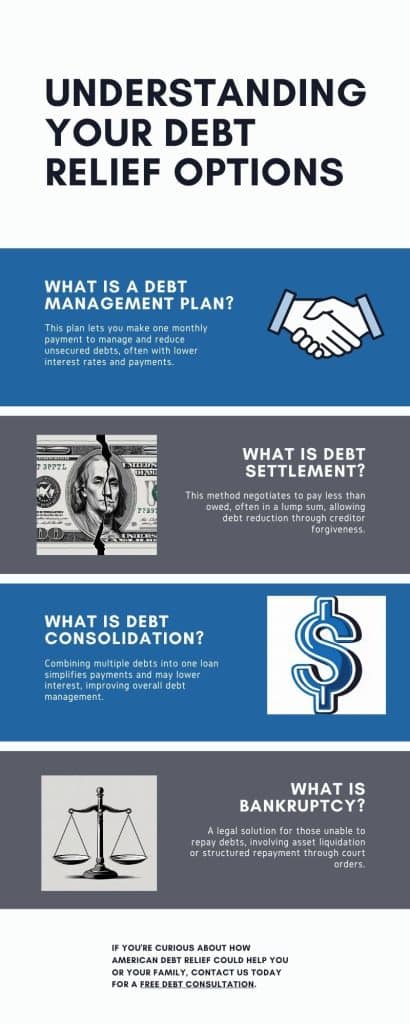
That frees up money in the short-term, and you might have three to four years to conserve towards the negotiation quantity. Really hazardous to credit history ratings, mostly as a result of missed repayments and an unfavorable "cleared up" mark that might remain on your credit score record for approximately 7 yearsMay be just choice if other alternatives (financial obligation combination, balance transfer charge card, financial debt mercy) aren't possibleTypically requires a charge to the 3rd party, which might offset some or every one of the financial savings from debt settlementMay help you prevent insolvency if you've missed out on several paymentsNot all creditors deal with debt settlement business Financial obligation mercy might be appropriate for you if you are experiencing an economic difficulty that makes it virtually impossible to pay for your financial debt equilibriums.
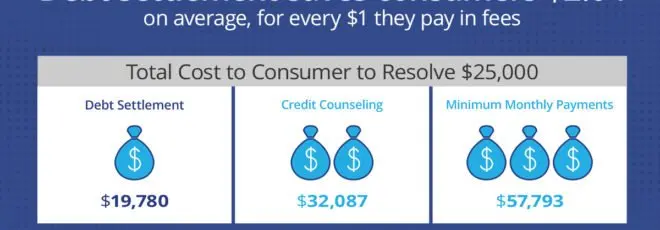
With a DMP, you make one monthly repayment to the credit rating therapy company. Those funds are after that dispersed to financial institutions of your unsecured debts, such as bank card and installment finances. The agency deals with your creditors to reduce passion prices or waive costs, yet some creditors might refuse such giving ins.
It can aid you pay down financial debt if you're able to safeguard a funding price that's lower than the ordinary rate of the accounts you're settling. You must abstain from racking up financial obligation on those newly removed accounts or your debt could expand also higher.
That provides you lots of time to get rid of or substantially lower your balance while making interest-free repayments.
The Of No-Cost Learning Financial Literacy Workshops for Consumers
You may require it if your financial institution or a debt collection agency ever before tries to accumulate on the financial obligation in the future. The letter can show you do not owe what the debt collection agency's documents show. Yes, for the most part, the IRS thinks about forgiven debt as taxed income. When a loan provider forgives $600 or more, they are required to send you Form 1099-C.
Financial obligation forgiveness or settlement generally hurts your credit history. Anytime you resolve a debt for less than you owe, it may look like "resolved" on your debt record and impact your credit history for 7 years from the day of negotiation. Your credit score can additionally go down substantially in the months causing the forgiveness if you drop behind on repayments.
What's Coming for Debt Forgiveness and Debtor Options Fundamentals Explained
Tax debt compromise programs Tax obligation financial obligation happens when the amount of tax obligations you owe exceeds what you have actually paid. This situation usually arises from underreporting income, not filing returns in a timely manner, or inconsistencies located throughout an IRS audit. The consequences of gathering tax obligation financial debt are significant and can include tax obligation liens, which provide the internal revenue service a lawful insurance claim to your building as safety and security for the financial debt.
Greater rate of interest prices on readily available debt. Earnings and Bank Accounts internal revenue service can impose (confiscate) incomes and savings account to satisfy the financial obligation. Minimized income and interruption of crucial economic processes. Home Seizure In extreme cases, the internal revenue service can take and market residential or commercial property to cover the financial obligation. Loss of useful assets and prospective variation.
Social Preconception Facing lawful activity from the IRS can carry social preconception. Work Opportunities A bad credit rating score due to tire debt can limit work opportunities. Federal government Advantages Tax obligation debt might impact eligibility for federal government benefits, such as Social Safety And Security and Medicaid.
Post-Online vs Phone Bankruptcy Counseling: Pros Programs Such as Check-In Programs Things To Know Before You Buy
The OIC thinks about a number of elements, consisting of the taxpayer's income, expenditures, asset equity, and capacity to pay. Efficiently negotiating an OIC can be complicated, needing a complete understanding of the internal revenue service's guidelines and a strong argument for why your deal straightens with your ability to pay. It is very important to keep in mind that not all applications are approved, and the process needs detailed economic disclosure.
The IRS evaluates your total monetary circumstance, including your earnings, costs, property equity, and ability to pay. You have to additionally be present with all filing and settlement requirements and not be in an open insolvency proceeding. The IRS likewise considers your conformity background, examining whether you have a document of prompt declaring and paying tax obligations in previous years.
The Facts About Debtor Rights When Undergoing Online vs Phone Bankruptcy Counseling: Pros Revealed
The application procedure for a Deal in Compromise entails numerous in-depth steps. You need to finish and send Internal revenue service Type 656, the Deal in Compromise application, and Kind 433-A (OIC), a collection information statement for individuals. These types need comprehensive economic information, consisting of information concerning your revenue, financial debts, costs, and properties.
Back tax obligations, which are unsettled tax obligations from previous years, can considerably enhance your overall internal revenue service debt otherwise addressed without delay. This debt can accumulate interest and late payment charges, making the initial amount owed a lot bigger with time. Failure to repay tax obligations can result in the IRS taking enforcement actions, such as issuing a tax lien or levy versus your property.
It is very important to address back taxes as quickly as possible, either by paying the full quantity owed or by preparing a settlement strategy with the IRS. By taking proactive steps, you can avoid the build-up of additional rate of interest and penalties, and prevent more aggressive collection activities by the IRS.
One typical reason is the belief that the taxpayer can pay the total either as a lump sum or with a settlement strategy. The IRS likewise thinks about the taxpayer's revenue, expenditures, asset equity, and future earning possibility. If these aspects show that the taxpayer can afford to pay greater than the offered quantity, the IRS is most likely to deny the deal.
Non-Profit Online vs Phone Bankruptcy Counseling: Pros Options Compared Can Be Fun For Anyone
Dealing with Internal revenue service financial debt can be complicated and overwhelming. Tax obligation professionals, such as CPAs, tax obligation lawyers, or enlisted agents, can give invaluable help.

Table of Contents
Latest Posts
10 Easy Facts About Local Resources for Debt Relief Explained
The Best Guide To New Regulations That Could Change Online vs Phone Bankruptcy Counseling: Pros Options
The Advantages and Disadvantages of Bankruptcy for Dummies
More
Latest Posts
10 Easy Facts About Local Resources for Debt Relief Explained
The Best Guide To New Regulations That Could Change Online vs Phone Bankruptcy Counseling: Pros Options
The Advantages and Disadvantages of Bankruptcy for Dummies